
January 1,8 min. to read
What the word geek means in the modern world
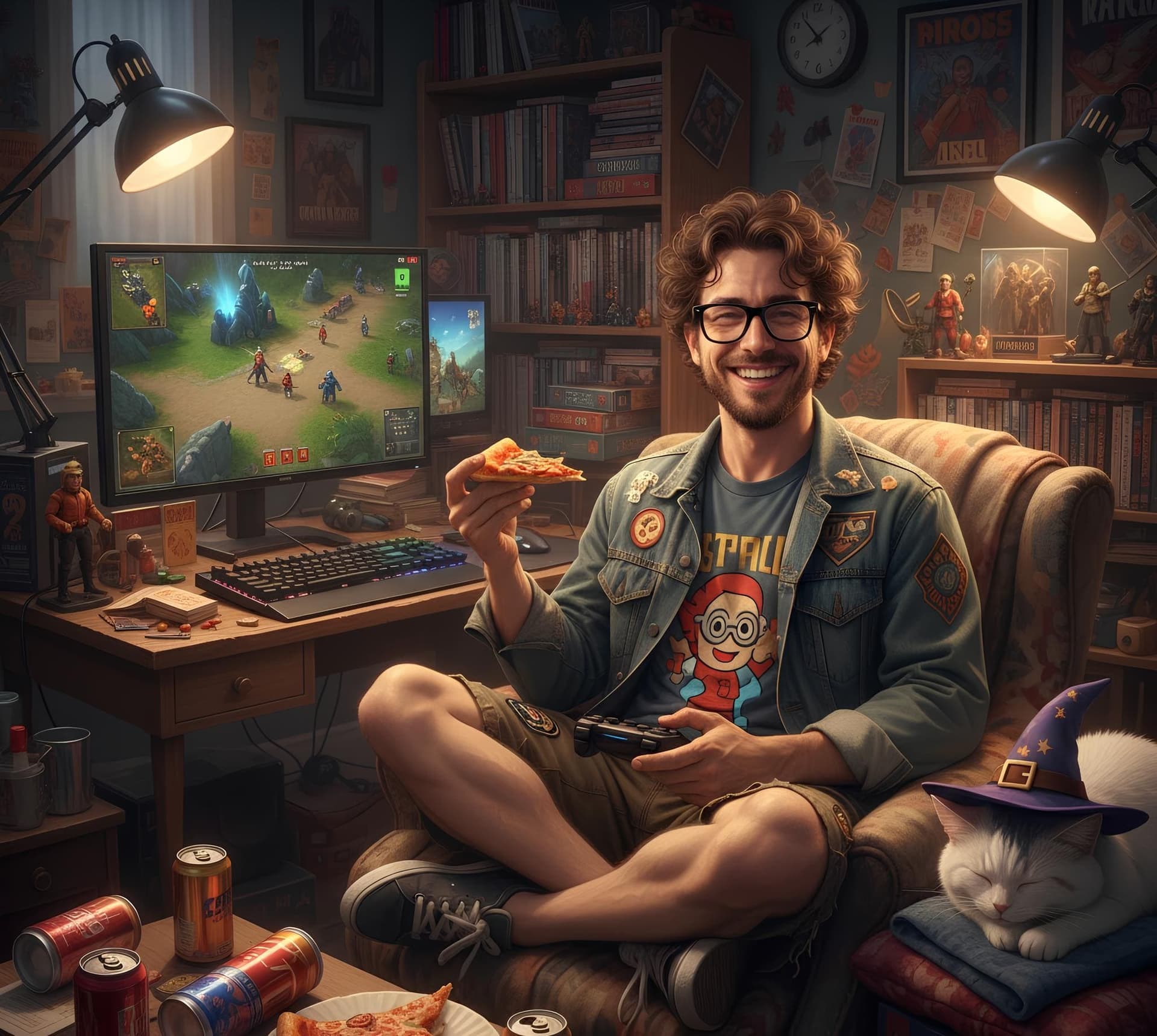
A geek is a person who is fanatically passionate about a specific topic and understands it far more deeply than most people around them. Unlike a casual enthusiast, a representative of geek culture quite literally lives their passion, studying every aspect in detail. Most often, geeks’ interests are connected with high technology, comics, video games, science fiction, and modern gadgets. It is important to understand the difference between the concepts of geek and nerd. Nerds are primarily focused on intellectual and academic pursuits, whereas geeks are drawn to cultural phenomena and technology. A member of the geek community does not necessarily possess a genius-level intellect, but is always a devoted fan of their interest.The history of the term: from circus performers to IT enthusiasts
Origin of the word
The word geek has unexpected roots. It was borrowed from German, where geck meant “jester, oddball, madman.” In the nineteenth century, this term was used to describe circus performers and traveling artists who shocked audiences with unusual acts—such as biting off the heads of birds or eating inedible objects. Many of these performers had physical disabilities, which reinforced their image as strange individuals.Transformation of meaning
By the mid-twentieth century, the word geek had acquired a derogatory connotation. It was used to label social outcasts—people overly immersed in science or technical disciplines. Society viewed such individuals as eccentrics who did not fit into accepted norms. A revolutionary shift occurred with the advent of personal computers in the 1980s. The digital revolution changed society’s attitude toward technology enthusiasts. Positive perception developed especially actively in the 1990s, when internet culture began to gain momentum. Today, the term geek has completely lost its negative undertone. On the contrary, people proudly call themselves representatives of geek culture. Being passionate about technology, fantasy, or comics has become a modern trend.Characteristic personality traits of geeks
Representatives of the geek community stand out due to their special approach to their interests. They do not engage with a topic superficially, but strive to understand every detail. A geek is characterized by several key traits: Curiosity and thirst for knowledge. Geeks constantly seek new information about their area of interest. They read specialized publications, follow industry news, and participate in thematic discussions. Analytical mindset. The ability to deeply analyze information helps geeks uncover hidden details and connections. They notice things that escape the attention of ordinary viewers or users. Creative approach. Many geeks not only consume content but also create their own. This may include fan works, game modifications, technical reviews, or analytical articles. Selectiveness in communication. Representatives of geek culture prefer the company of like-minded people. It is important for them to discuss their interests with those who share their passions and understand the specifics of the topic. Perseverance and determination. When a geek sets a goal, they see it through to the end. This could be completing a difficult video game on the highest difficulty level or assembling a complete collection of comics from a particular series.Areas of interest of modern geeks
Science fiction and fantasy
Works of speculative fiction occupy a central place in geek culture. Fans immerse themselves in the universes of “Star Wars,” “Doctor Who,” “Game of Thrones,” or “The Lord of the Rings.” They know the smallest plot details, argue over theories, and collect themed merchandise.The gaming industry
Video games have long ceased to be entertainment exclusively for children. A geek in the gaming sphere differs from an ordinary gamer by the depth of immersion. Where a typical player simply completes the storyline, a representative of geek culture studies game mechanics, searches for Easter eggs, uncovers all secrets, and participates in professional esports competitions.Technology and modern gadgets
Technology enthusiasts closely follow innovations in the world of electronics. They are interested in the latest smartphone models, developments in artificial intelligence, robotics, and programming. Many geeks work in the IT sector, turning their passion into a profession.Comics and graphic novels
Collecting comics, participating in cosplay communities, and attending themed conventions are an important part of life for many geeks. They analyze character development, evaluate artists’ work, and follow the evolution of storylines in the universes of Marvel, DC, and other publishers.Lifestyle and cultural events
The largest geek festivals
Large-scale events bringing together representatives of geek culture are held all over the world. Comic-Con in San Diego is considered the largest convention dedicated to comics, cinema, and pop culture. It hosts premiere screenings, meetings with content creators, and impressive cosplay shows. Gamescom in Cologne attracts gamers from all over the planet. Visitors get the opportunity to be among the first to test new releases in the gaming industry and communicate with developers. DreamHack combines esports, tournaments, and entertainment programs.Online communities
In the digital space, geeks actively communicate on specialized platforms. Reddit offers thousands of themed communities, Discord is used for voice and text communication, Steam unites gamers, and Twitch allows game sessions to be streamed to millions of viewers.Why geek culture became mainstream
Technological revolution
The digital era changed the perception of technology enthusiasts. It turned out that it was geeks—Steve Jobs, Bill Gates, Mark Zuckerberg—who created the modern high-tech world. IT specialists became in-demand and highly paid professionals.Influence on mass culture
The geek audience has transformed into an expert community capable of influencing the development of the entertainment industry. Creators of films, TV series, and games highly value feedback from representatives of geek culture, especially when it comes to major franchises like Marvel, DC, or “Star Wars.”Fashion trends
The fashion industry introduced the concept of geek chic—a style inspired by the image of a typical intellectual. Thick-rimmed glasses, bow ties, plaid shirts, and vintage clothing elements have become symbols of good taste. Being a geek has transformed from a reason for mockery into a source of pride.Geeks on the modern internet
Online culture actively uses the term geek in a positive context. The concept of a “true geek” has emerged—referring to a person who has reached the highest level of immersion in their subject. Such enthusiasts not only consume content but also create fan communities, run thematic blogs, and compile extensive knowledge bases. Memes about representatives of geek culture often ironically highlight the depth of their immersion in their passions. The typical image includes thick-rimmed glasses, the ability to discuss plot nuances of films for hours, or to analyze program code line by line. However, this irony is good-natured and emphasizes respect for geeks’ expertise.Conclusion
The journey of the term geek from an insult to an honorary title reflects changes in public consciousness. Today, representatives of geek culture are an influential community that shapes trends in technology, entertainment, and even fashion. Being a geek means possessing deep knowledge, passionate enthusiasm, and the ability to unite with like-minded people to create a unique cultural phenomenon of modern times.Latest Articles
.jpg&w=1920&q=75)
Chinese New Year 2026: The Year of the Red Fire Horse and Its Traditions
Chinese New Year 2026 begins on February 17 and ushers in the Year of the Red Fire Horse, symbolizing energy, change, traditions, and renewal.
Read more

Who Is an “Ank” and What Does This Slang Term Mean
A detailed explanation of the slang term “ank,” its origin, traits, cultural meaning, ironic use by zoomers, and its role in modern youth language.
Read more

What Is Tilt: Causes, Signs, and How to Regain Emotional Control
Tilt is a state of emotional overload where rational thinking breaks down and impulsive actions take over, common in games, work, trading, and everyday life.
Read more

Phishing in 2026: Types, Risks, and How to Protect Your Data
Phishing uses AI and fake sites to steal data. Learn types, signs, protection methods, and actions if targeted to stay safe online.
Read more
%20(1).jpg&w=1920&q=75)
Cyberbullying: Types, Consequences, and How to Protect Yourself
Cyberbullying is online psychological abuse with serious mental, social, and physical consequences; anyone can be a victim, and prevention requires awareness and action.
Read more

“KFC Boss”: Meaning, Origin, and Why This Slang Term Is Considered Offensive
Explanation of the slang term “KFC Boss,” its meaning, origins, usage online, why it’s offensive, and how people respond to and protect themselves from it.
Read more
.jpg&w=1920&q=75)
Signs of a Gold Digger: How to Recognize Self-Serving Relationships
Signs of a gold digger include obsession with money, expensive gifts, jealousy, entitlement, and using relationships for wealth and status, not love.
Read more
.jpg&w=1920&q=75)
Understanding Trolling: Types, Techniques, and How to Protect Yourself Online
Trolling is a deliberate provocation in online communities aimed at causing conflict. It includes various techniques like subtle, heavy, and pseudo-trolling, and can be harmful.
Read more
.jpg&w=1920&q=75)
What Does “Chinazes” Mean: Origin and Use of a Youth Slang Meme
An overview of the meme word “chinazes”: its origin, meaning in youth slang, pronunciation, usage examples, cultural impact, and why parents shouldn’t worry.
Read more
.jpg&w=1920&q=75)
What Does KEK Mean? Origin and Meaning of the Popular Internet Meme
An overview of the KEK meme: its gaming origins, evolution from StarCraft and World of Warcraft, meanings in slang, cultural ties, and difference from LOL.
Read more